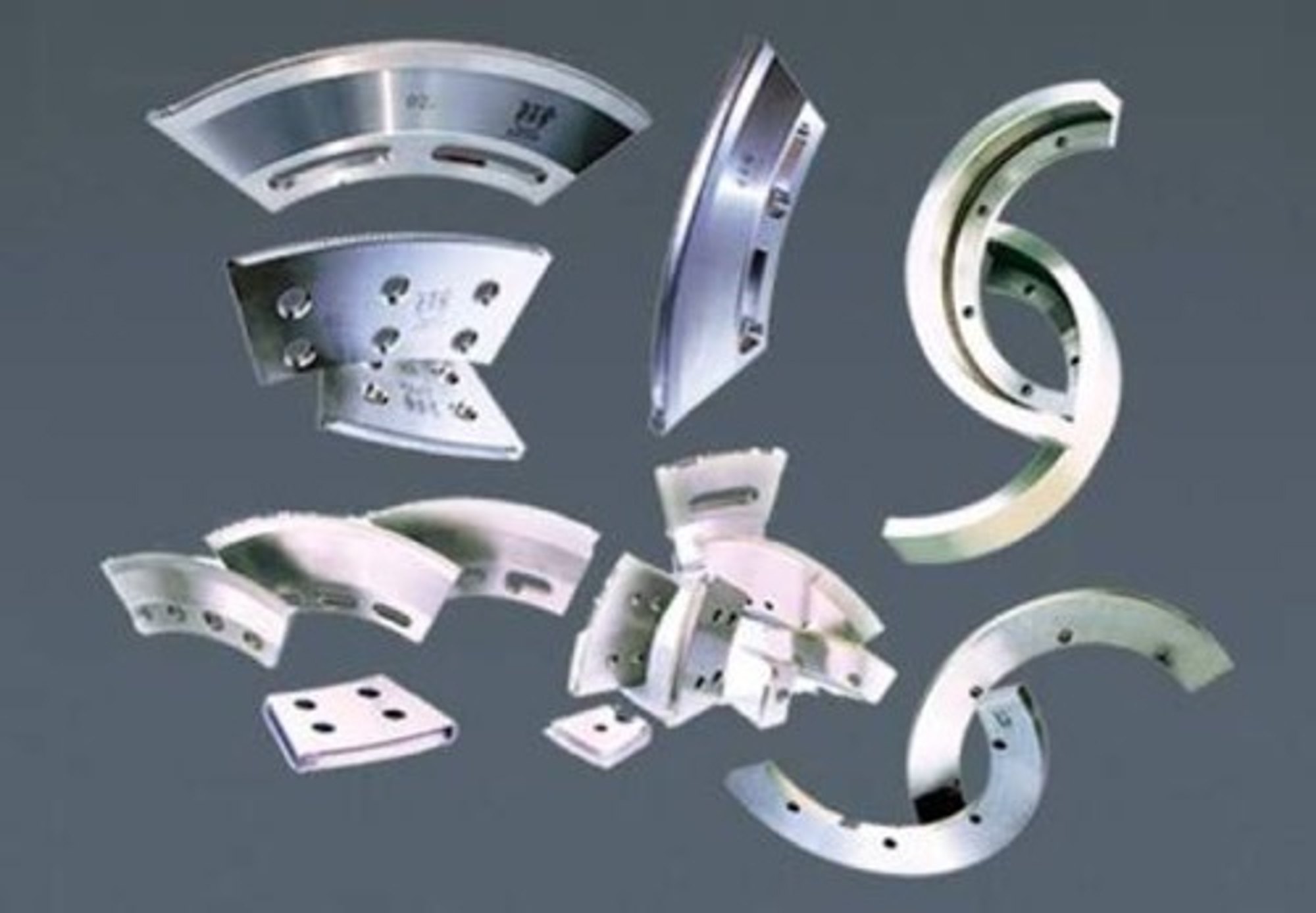
In the fast-paced world of corrugated box production, ensuring your machines are in peak operating condition is crucial for maintaining consistent output and high-quality products. Slitting Blades, Creasing Wheels, and RS4 Blades are essential components that directly influence the accuracy and efficiency of cutting and scoring processes. Over time, these blades can wear out, leading to misaligned cuts, poor-quality boxes, and unnecessary downtime. In this blog, we’ll explore how to identify worn-out blades and provide tips on replacing them to keep your corrugated box-making machine running smoothly.
1. Creasing Wheels (RS4 Creasing Wheel, OD 153MM / ID 86MM)
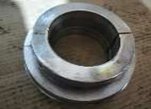
The RS4 Creasing Wheel (OD 153MM / ID 86MM) is essential for scoring the corrugated sheets, ensuring they fold neatly and evenly during the manufacturing process. Over time, the creasing wheel can become worn or damaged, which can lead to inconsistent folds or creases in the box.
How to Spot Worn-Out Creasing Wheels:
- Visible damage: Check for any chips, cracks, or dents on the creasing wheel. These can cause uneven creases and poor-quality folding.
- Inconsistent creasing: If you notice that the creases are not uniform or if the machine struggles to score the material consistently, the creasing wheel may be worn.
- Excessive wear: If the creasing wheel has become too thin or smooth, it may no longer provide the necessary pressure for accurate scoring.
When to Replace:
- Replace the creasing wheel when it shows signs of significant damage, wear, or when creasing quality declines. Regular inspection helps prevent the production of defective boxes.
2. Slitting Blades (RS4 Slitting Blade, OD 190MM / ID 120MM, Good Quality)
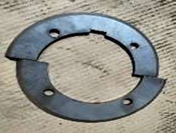
The RS4 Slitting Blade (OD 190MM / ID 120MM, Good Quality) is used to cut corrugated sheets into specific sizes. Over time, slitting blades can dull or become damaged, leading to jagged cuts and compromised box quality.
How to Spot Worn-Out Slitting Blades:
- Dull edges: A dull slitting blade will have difficulty cutting through the material, causing rough or jagged edges.
- Inconsistent cutting: If the cuts become uneven, this is a clear sign that the slitting blade may need sharpening or replacement.
- Visible nicks or cracks: Inspect the blade for any visible nicks, cracks, or chips. These imperfections can compromise the quality of the cut and damage the material.
When to Replace:
- If the blade is excessively dull, cracked, or showing signs of wear that can’t be addressed by sharpening, it’s time to replace it to maintain cutting precision.
3. RS4 Blades (RS4 Blade Wirth 70MM)
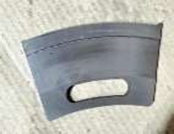
The RS4 Blade Wirth 70MM is an important part of the cutting mechanism in the RS4 machine. It plays a pivotal role in cutting and slitting the material accurately. Like other blades, it’s essential to inspect and maintain it regularly to ensure smooth operation.
How to Spot Worn-Out RS4 Blades:
- Inconsistent cuts: If the cuts become irregular or the blade struggles to cut through the material, it’s likely worn out.
- Visible wear: Inspect the blade for signs of wear, such as a loss of sharpness, cracks, or damage to the cutting edge.
- Excessive friction: If the blade creates more friction than usual, it could be a sign that it’s become blunt or deformed.
When to Replace:
- Replace the RS4 blade when it is no longer cutting cleanly or when it shows visible damage. Regular maintenance, including sharpening, can extend its lifespan, but replacement is necessary when it can no longer perform efficiently.
4. Tips for Replacing Blades in Your Corrugated Box-Making Machine
Replacing worn-out blades in your corrugated box-making machine is essential for maintaining efficiency and quality. Here are some tips to ensure smooth blade replacement:
- Follow the manufacturer’s instructions: Always refer to the machine’s manual for proper instructions on blade removal and installation. Using the wrong procedure can lead to improper installation and affect machine performance.
- Use high-quality replacement blades: Always opt for high-quality, compatible replacement blades like RS4 Slitting Blades and RS4 Creasing Wheels. Cheap or incompatible parts can cause more harm than good, reducing the efficiency and accuracy of your machine.
- Regularly inspect blades: Implement a regular inspection schedule to detect any signs of wear early. This will help prevent unexpected downtime and ensure the machine operates at peak performance.
- Keep blades clean: After replacement, ensure that the new blades are clean and free from any debris that could affect their sharpness and cutting ability. Clean the surrounding areas regularly to prevent build-up.
5. Maintaining Blade Sharpness
To maximize the lifespan of your blades, regular sharpening is key. Here’s how to maintain blade sharpness:
- Use the correct sharpening tools: Only use specialized tools or services designed for sharpening slitting blades and creasing wheels. Improper sharpening can lead to damage.
- Avoid unnecessary force: When using the machine, avoid forcing the blades through the material, as this can cause excessive wear.
- Check for proper alignment: Ensure that blades are properly aligned to avoid uneven cutting and unnecessary wear.
Conclusion:
Properly maintaining your Creasing Wheels, Slitting Blades, and RS4 Blades is essential for keeping your corrugated box-making machine running smoothly and efficiently. Regular inspections, timely replacements, and blade sharpening will not only improve the quality of your products but also extend the lifespan of your machinery, reducing overall maintenance costs.
By following these tips for spotting and replacing worn-out blades, you can ensure that your production process remains efficient, your boxes maintain high quality, and your machine continues to operate at peak performance for years to come.